
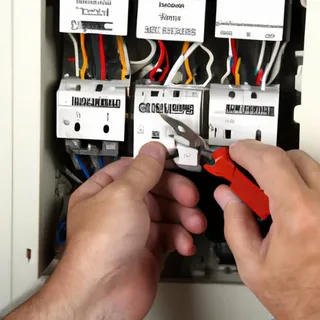
Have you ever been in the middle of watching your favorite show, running the microwave, or using a space heater when suddenly everything goes dark? A tripped circuit breaker can be frustrating, inconvenient, and sometimes even alarming. However, your circuit breaker is actually doing its job—protecting your home and family from electrical hazards.
Understanding the causes behind repeated breaker trips is an essential part of Electrical Troubleshooting. While some issues are minor and easy to fix, others may indicate serious electrical problems that require immediate attention. Knowing how to identify the root cause can save you money, prevent damage to your appliances, and reduce the risk of electrical fires.
In this comprehensive guide, we’ll explore the most common reasons circuit breakers trip, discuss breaker panel problems, explain when electrical repair is necessary, and provide practical solutions for dealing with overloaded circuits.
What Is a Circuit Breaker and How Does It Work?
A circuit breaker acts as the guardian of your home’s electrical system. Think of it as a security guard standing at the entrance of every electrical circuit. Whenever it detects unsafe conditions, it immediately shuts off power to prevent damage.
The primary function of a circuit breaker is to interrupt the flow of electricity when too much current passes through a circuit. Without this protection, wires could overheat, melt insulation, and potentially start a fire. Modern breakers are designed to respond quickly and efficiently, making them one of the most important safety devices in any home.
Unlike old-fashioned fuses that had to be replaced after blowing, circuit breakers can simply be reset once the underlying problem has been addressed. However, repeatedly resetting a breaker without finding the cause is like putting a bandage on a deeper wound—it may temporarily solve the symptom but won’t fix the actual issue.
Common Reasons Your Circuit Breaker Keeps Tripping
Overloaded Circuits
One of the most common causes of breaker trips is overloaded circuits. This occurs when too many devices draw power from the same circuit at the same time.
Imagine trying to carry ten grocery bags in one trip. Eventually, you’ll drop something because you’re carrying more than you can handle. Electrical circuits work similarly. Every circuit has a maximum capacity, and exceeding that limit causes the breaker to trip.
Common examples include:
- Running a microwave, toaster, and coffee maker simultaneously.
- Plugging multiple space heaters into one circuit.
- Using power strips with numerous high-powered devices.
When a circuit becomes overloaded, the breaker cuts power before the wiring overheats and becomes dangerous.
How to Fix Overloaded Circuits
Start by unplugging some devices and redistributing them across different outlets connected to separate circuits. If overloading happens frequently, consider adding new circuits or upgrading your electrical system.
Short Circuits
A short circuit occurs when a hot wire touches a neutral wire, creating an unintended path for electricity. This causes a sudden surge of current that instantly trips the breaker.
Short circuits can result from:
- Damaged wiring
- Loose electrical connections
- Faulty outlets
- Defective appliances
Short circuits are more serious than overloaded circuits because they can generate intense heat and increase the risk of fire.
Signs of a Short Circuit
You may notice:
- Burn marks around outlets
- A burning smell
- Sparks when plugging in devices
- Immediate breaker trips after resetting
If you suspect a short circuit, stop using the affected circuit and seek professional assistance.
Ground Faults
Ground faults occur when a hot wire comes into contact with a grounded surface such as a metal electrical box or a ground wire.
These faults are particularly common in:
- Bathrooms
- Kitchens
- Laundry rooms
- Outdoor electrical systems
Ground faults are dangerous because they increase the risk of electric shock. Ground Fault Circuit Interrupters (GFCIs) are specifically designed to detect these conditions and shut off power instantly.
Faulty Appliances
Sometimes the breaker isn’t the problem at all. Instead, a malfunctioning appliance may be causing repeated trips.
Appliances that commonly create electrical issues include:
- Refrigerators
- Air conditioners
- Dishwashers
- Space heaters
- Washing machines
Internal wiring failures, worn components, or motor issues can cause excessive current draw.
How to Test for Faulty Appliances
Unplug all devices connected to the affected circuit.
Reset the breaker.
Reconnect appliances one at a time.
If the breaker trips after plugging in a specific device, that appliance may be the source of the problem.
Aging Electrical Systems
Many older homes were built when electricity demands were significantly lower. Today’s households use more electronics, appliances, and smart devices than ever before.
Older electrical systems may suffer from:
- Outdated wiring
- Undersized circuits
- Worn breaker panels
- Loose electrical connections
As electrical components age, they become less efficient and more prone to failure. In some cases, upgrading the system is the safest and most cost-effective solution.
Signs You Need Immediate Electrical Troubleshooting
Frequent Breaker Trips
An occasional breaker trip is normal. However, if the same breaker trips repeatedly, it’s a warning sign that something isn’t functioning properly.
Ignoring recurring trips can lead to more extensive damage and potentially dangerous conditions.
Burning Smells
A burning odor near outlets, switches, or the breaker panel should never be ignored. This smell often indicates overheating wires or damaged insulation.
Turn off power to the affected area immediately and contact an electrician.
Flickering Lights
Lights that dim or flicker when appliances start running may indicate circuit overloads, loose wiring, or developing breaker panel problems.
While occasional flickering may seem harmless, persistent issues often point to underlying electrical concerns.
Warm Outlets and Switches
Electrical components should remain relatively cool during operation. Warm outlets, switches, or breaker panels may indicate excessive electrical resistance or overloaded wiring.
These symptoms require prompt investigation to prevent more serious problems.
How to Identify Breaker Panel Problems
Inspecting the Breaker Panel
A visual inspection can reveal many common issues.
Look for:
- Rust or corrosion
- Burn marks
- Loose breakers
- Strange noises
- Signs of moisture
Any of these conditions can compromise the safety and performance of your electrical system.
Recognizing Warning Signs
Some breaker panel problems develop gradually over time.
Watch for:
- Breakers that won’t stay reset
- Buzzing sounds
- Hot breaker surfaces
- Frequent power interruptions
These symptoms often indicate internal damage that requires professional evaluation.
When to Call a Professional
While homeowners can perform basic inspections, breaker panel repairs should generally be left to licensed electricians. Working inside an energized panel carries significant risks and requires specialized knowledge.
Step-by-Step Electrical Troubleshooting Guide
Step 1: Turn Off Appliances
Begin by unplugging all devices connected to the affected circuit. This eliminates potential appliance-related causes and reduces the load on the system.
Step 2: Reset the Breaker
Locate the tripped breaker in your electrical panel.
To reset it:
- Move it fully to the OFF position.
- Wait a few seconds.
- Switch it back to ON.
If it immediately trips again, a more serious issue may be present.
Step 3: Test Individual Devices
Reconnect appliances one at a time while monitoring the breaker.
This method helps isolate faulty equipment that may be drawing excessive current or causing short circuits.
Step 4: Check for Overloaded Circuits
Evaluate how many devices are operating on the circuit.
Questions to ask include:
- Are multiple high-power appliances running simultaneously?
- Are extension cords heavily loaded?
- Is the circuit serving more rooms than intended?
Reducing the electrical load often resolves recurring trips.
Step 5: Monitor Electrical Performance
After addressing potential causes, observe the circuit for several days.
Pay attention to:
- Unexpected breaker trips
- Flickering lights
- Warm outlets
- Appliance performance issues
Consistent operation suggests the problem has been resolved.
When Electrical Repair Is Necessary
Replacing Damaged Breakers
Circuit breakers can wear out over time. Repeated tripping, age, and internal mechanical failures may prevent them from functioning properly.
Replacing a faulty breaker can restore safe operation and improve system reliability.
Updating Old Wiring
Older wiring may not meet modern electrical demands. Damaged insulation, loose connections, and outdated materials increase safety risks.
Upgrading wiring often eliminates recurring breaker trips while enhancing overall electrical performance.
Repairing Faulty Connections
Loose electrical connections create resistance, heat, and intermittent power interruptions. Professional electrical repair can identify and correct these hidden issues before they cause significant damage.
Preventing Future Circuit Breaker Trips
Distributing Electrical Loads
Avoid concentrating multiple high-power devices on a single circuit.
For example:
- Use separate outlets for space heaters.
- Spread kitchen appliances across multiple circuits.
- Limit reliance on extension cords.
Balanced electrical loads reduce stress on your system.
Regular Maintenance
Routine inspections help identify developing issues before they become major problems.
Annual electrical evaluations can reveal:
- Worn breakers
- Loose wiring
- Corrosion
- Capacity limitations
Preventive maintenance often costs far less than emergency repairs.
Upgrading Your Electrical System
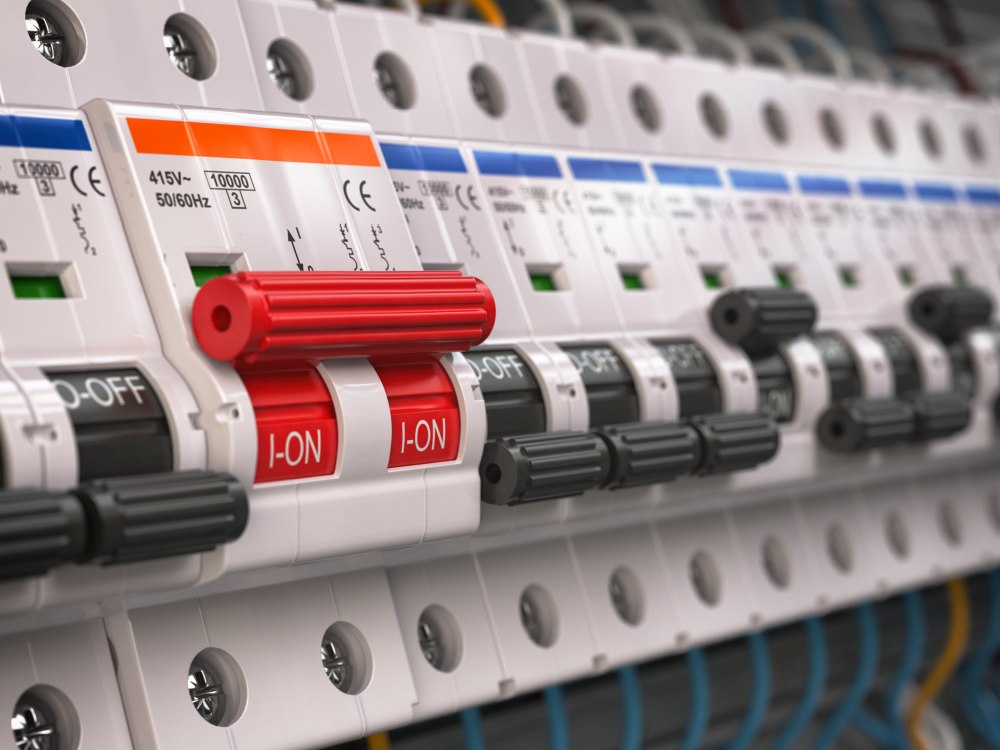
If your home consistently struggles to meet power demands, an electrical upgrade may be necessary.
Possible improvements include:
- Installing additional circuits
- Upgrading the breaker panel
- Replacing outdated wiring
- Adding dedicated appliance circuits
These upgrades improve safety, convenience, and long-term reliability.
The Importance of Professional Electrical Services
Electrical systems are complex and potentially dangerous. While basic troubleshooting is helpful, certain problems require expert knowledge and specialized equipment.
Licensed electricians can accurately diagnose hidden faults, ensure code compliance, and perform repairs safely. Investing in professional services often prevents costly mistakes and provides peace of mind.
Attempting advanced repairs without proper training can increase risks and may even void insurance coverage in some situations. When in doubt, professional assistance is always the safest option.
Conclusion
A circuit breaker that keeps tripping is more than just an inconvenience—it is a warning sign that your electrical system needs attention. Whether the cause is overloaded circuits, faulty appliances, short circuits, ground faults, or serious breaker panel problems, understanding the root issue is the first step toward a solution.
Effective Electrical Troubleshooting helps homeowners identify common problems, improve safety, and prevent costly damage. While some issues can be resolved through simple adjustments, others require professional electrical repair and system upgrades. By addressing problems early and maintaining your electrical system properly, you can enjoy reliable power and a safer home for years to come.
Frequently Asked Questions
1. Is it safe to keep resetting a circuit breaker?
No. Repeatedly resetting a breaker without identifying the cause can be dangerous. The breaker is tripping to protect your electrical system from potential hazards.
2. How do I know if my breaker is bad?
Signs of a faulty breaker include frequent tripping, difficulty resetting, buzzing sounds, burning odors, or visible damage inside the panel.
3. Can overloaded circuits cause electrical fires?
Yes. If a breaker fails to trip or is bypassed, overloaded circuits can overheat wiring and increase the risk of electrical fires.
4. Should I replace my breaker panel if it is old?
If your panel is outdated, damaged, or unable to support modern electrical demands, upgrading it can improve both safety and performance.
5. When should I call an electrician for electrical troubleshooting?
Contact a professional if you experience repeated breaker trips, burning smells, sparking outlets, warm electrical components, or any signs of serious electrical damage.