
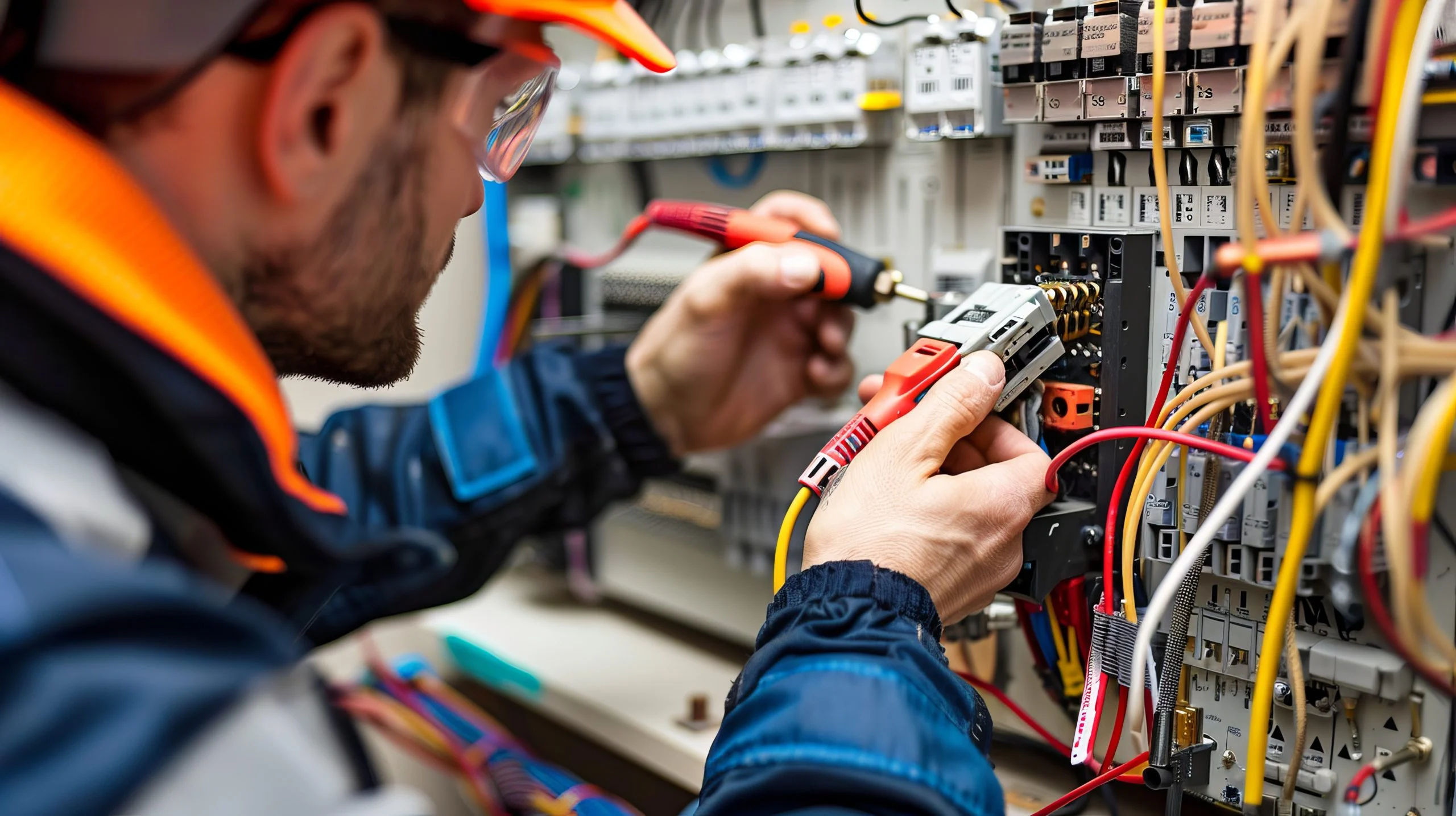
A power outage is more than an inconvenience; it can mean spoiled food, a flooded basement without a working sump pump, or a genuinely uncomfortable situation if it happens during extreme heat or cold. Professional generator installation gives homeowners and businesses a reliable safety net, automatically restoring power when the grid goes down and keeping essential systems running until utility service returns.
Standby vs Portable Generator
Understanding standby vs portable generator options is the first major decision in any backup power project:
- Standby generators are permanently installed outside your home, connected directly to your electrical system and typically fueled by natural gas or propane. They activate automatically within seconds of a power outage, without any manual intervention required.
- Portable generators offer a lower-cost, flexible option that can be moved and used as needed, but require manual setup during an outage, including running extension cords to specific appliances or, ideally, connecting through a properly installed transfer switch.
For homeowners wanting genuine set-it-and-forget-it reliability, a standby system generally offers significant advantages, while portable generators can work well for occasional, budget-conscious backup needs.
Home Generator Installation Basics
Home generator installation for a standby system involves considerably more than simply placing a unit in the yard. The process requires careful electrical integration with your home’s panel, proper fuel line connection, and critically a transfer switch that safely isolates your home’s electrical system from the utility grid whenever the generator is running.
Generator Transfer Switch Installation
Generator transfer switch installation is one of the most safety-critical components of any generator setup. This device prevents “backfeeding,” a dangerous situation where electricity from a generator flows backward into utility lines, posing a serious electrocution risk to utility workers attempting to restore power. A properly installed transfer switch ensures your home draws power exclusively from either the utility grid or your generator, never both simultaneously.
Automatic Transfer Switch Wiring
For standby generator systems, automatic transfer switch wiring allows the entire process to happen without any manual action on your part. When utility power fails, the automatic transfer switch detects the outage, signals the generator to start, and switches your home’s electrical load to the generator, typically within 10-30 seconds. Once utility power returns, the process reverses automatically, and the generator shuts down after a brief cool-down period.
Portable Generator Hookup
For homeowners choosing a portable unit, proper portable generator hookup still matters significantly for safety. While it’s possible to run extension cords directly to individual appliances, a manual transfer switch installed by a licensed electrician allows a portable generator to power select circuits throughout the home safely, without the backfeeding risk associated with improvised connections.
Whole House Generator Sizing
Getting whole house generator sizing right is essential for a system that actually meets your needs during an outage. Sizing depends on your home’s total electrical load, including which specific circuits and appliances you want to keep running. A system sized just for essential circuits like refrigeration, sump pumps, and basic lighting requires less capacity than one designed to power your entire home, including central air conditioning and major appliances. A qualified installer performs a load calculation to recommend the right generator size for your specific needs and budget.
Natural Gas vs Propane Generator
The natural gas vs propane generator decision affects both installation and ongoing operation. Natural gas offers the convenience of an essentially unlimited fuel supply through your existing gas utility connection, meaning you’ll never need to worry about running out of fuel during an extended outage, provided the gas utility itself remains operational. Propane requires an on-site storage tank, giving you complete fuel independence from utility infrastructure, though it does require monitoring fuel levels and arranging refills as needed.
Generator Installation Permits
Most standby generator installations require generator installation permits through your local building department, given the electrical and, in many cases, gas line work involved. A reputable installer manages this process on your behalf, ensuring the installation meets current local codes and passes any required inspections before the system is put into service.
Generator Installation Safety Code
Adherence to generator installation safety code requirements protects both your property and your family. This includes proper clearance distances from windows, doors, and combustible materials, correct exhaust routing to prevent carbon monoxide buildup, and appropriate electrical grounding. These code requirements exist for genuinely serious safety reasons, making professional installation rather than a DIY approach the appropriate choice for standby generator systems.
The Generator Installation Process
Understanding the general installation sequence helps set expectations for your project:
- Site assessment and load calculation: Evaluating your electrical needs and determining the appropriate generator size and placement location.
- Generator installation permits: Securing necessary permits before installation begins.
- Pad and generator placement: Installing a concrete or composite pad and setting the generator unit in place, maintaining required clearances.
- Fuel line connection: Connecting to natural gas service or installing a propane tank and fuel line, depending on the chosen fuel type.
- Electrical connection and transfer switch installation: Wiring the generator to your home’s electrical panel through a properly installed transfer switch.
- Testing and inspection: Verifying automatic startup, transfer switch function, and overall system operation before final sign-off.
Generator Installation Timeline
Generator installation timeline expectations typically range from one to three days for the physical installation itself, though the full process, including permitting and any necessary gas utility coordination, can take several weeks from initial consultation to a fully operational system. Planning ahead, rather than waiting until storm season is imminent, helps avoid installation delays during periods of high demand.
Understanding Whole House Generator Installation Cost
Whole house generator installation cost depends on several factors:
- Generator size and capacity needed for your specific home
- Fuel type, since natural gas and propane systems have different installation requirements
- Electrical panel compatibility and any upgrades needed to support the transfer switch
- Distance between the generator location and your electrical panel or gas line
- Local permit fees and labor rates
A trustworthy generator installation electrician will provide a detailed, itemized estimate that separates equipment and installation costs, helping you understand exactly where your investment is going.
Commercial Generator Installation
Commercial generator installation addresses the backup power needs of businesses where outages can mean significant lost revenue, spoiled inventory, or safety concerns depending on the nature of the operation. These systems are often sized considerably larger than residential units and may involve more complex electrical integration given the scale of commercial electrical systems, along with careful planning around which building systems and equipment need to remain operational during an outage.
Generator Maintenance Plans
Like any mechanical equipment, generators benefit from regular upkeep to ensure reliable operation when actually needed. Generator maintenance plans typically include periodic oil changes, filter replacement, battery checks, and test runs to confirm the system starts and transfers properly. Many homeowners find genuine peace of mind in a scheduled maintenance plan, since a generator that hasn’t been properly maintained may fail to start during the exact moment it’s needed most.
Generator Warranty and Service Plans
A comprehensive generator warranty and service plans package typically covers both the manufacturer’s warranty on the generator unit itself and a separate service agreement covering ongoing maintenance and repair support. Understanding what’s covered, and for how long, before committing to a specific system and installer provides confidence in your generator’s long-term reliability.
Choosing the Right Generator Installer
When searching for a standby generator installer or general generator installation near me, look for:
- Proper electrical licensing and experience specifically with generator installations
- Manufacturer certifications for the specific generator brands they install
- Transparent, itemized estimates
- Clear communication about permitting, sizing, and fuel type options
- Positive reviews mentioning reliable installation and responsive maintenance support
Final Thoughts
A power outage doesn’t have to mean scrambling for flashlights and hoping the food in your refrigerator survives. Whether you’re considering a fully automatic standby system or a more budget-conscious portable setup with a proper transfer switch, professional generator installation ensures reliable backup power when you need it most safely, code-compliant, and ready to activate the moment utility power fails. If you’re ready to explore backup power options for your home or business, reach out to a trusted local generator installer today for a consultation and a personalized sizing estimate.
Frequently Asked Questions
What size generator do I need for my home? Sizing depends on which circuits and appliances you want to keep running during an outage. A qualified installer performs a load calculation based on your specific home and priorities to recommend the right capacity.
Is natural gas or propane better for a standby generator? Natural gas offers essentially unlimited fuel through your existing utility connection, while propane requires an on-site tank but provides complete independence from utility gas infrastructure. The right choice depends on your fuel availability and preferences.
Do I need a permit to install a standby generator? Yes, most standby generator installations require permits given the electrical and gas line work involved. A reputable installer handles this process as part of your project.
How long does generator installation typically take? The physical installation usually takes one to three days, though the full process, including permitting, can take several weeks from initial consultation to a fully operational system.
Can I install a portable generator without a transfer switch? While technically possible using extension cords to individual appliances, a properly installed transfer switch is strongly recommended for safety, since it prevents dangerous backfeeding into utility lines.