
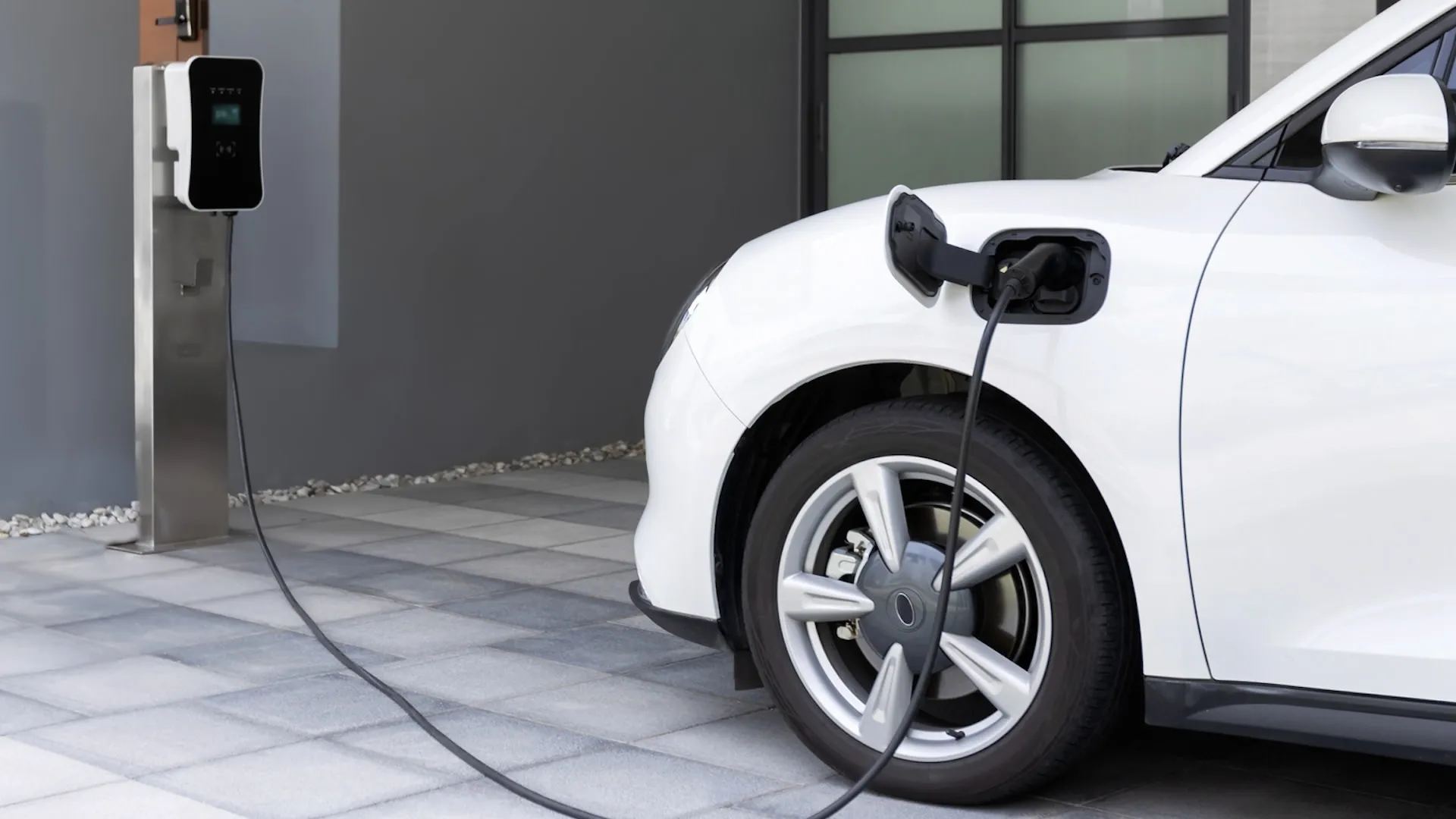
Owning an electric vehicle offers the convenience of charging at home instead of depending entirely on public charging stations. However, installing a home charging station requires more than purchasing the equipment. The home’s electrical system must also support the additional power demand.
The EV charger installation cost depends on several factors, including the charger type, electrical panel capacity, wiring distance, installation location, and permit requirements.
For many standard residential Level 2 installations, homeowners can use approximately $1,000 to $3,000 as an initial budgeting range. However, simpler installations may cost less, while projects involving electrical upgrades or extensive wiring can cost considerably more.
Understanding these expenses helps homeowners make informed decisions before scheduling an installation.
How Much Does Home EV Charger Installation Cost?
A Level 2 home EV charger installation typically costs around $749 to $2,500 according to Qmerit’s 2026 installation data, with a reported average of approximately $1,700.
Local estimates can vary. Angi reports a Denver installation average of approximately $1,156, with a typical range of $829 to $1,512.
These figures are planning references rather than guaranteed quotes. The actual price depends on the property’s electrical requirements and the scope of work.
Estimated EV Charger Installation Cost Breakdown
| Installation component | Estimated cost |
|---|---|
| Level 2 charger hardware | $300 to $2,000 |
| Electrician labor and permitting | $500 to $1,200 |
| Additional wiring and materials | Varies by project |
| Electrical panel upgrade | Additional $1,500 to $3,000 in some projects |
| Standard installation budget | Approximately $1,000 to $3,000 |
These figures are not meant to be added together as fixed charges. Some installation estimates already include wiring, materials, and labor.
A professional assessment provides a more accurate estimate based on the specific property.
1. Level 2 EV Charger Equipment Costs
The charging equipment itself represents an important part of the total project expense.
Most homeowners considering faster residential charging choose between Level 1 and Level 2 equipment.
Level 1 chargers use a standard 120-volt household outlet. They are generally suitable for drivers with modest daily mileage or vehicles that remain parked for extended periods.
Level 2 chargers operate on a 240 volt electrical supply and provide considerably faster charging. They are a popular choice for homeowners who want convenient overnight charging and more flexibility.
The cost of a Level 2 charger depends on its manufacturer, charging output, cable length, and available features.
Some models include:
- Wi-Fi connectivity and mobile app controls.
- Scheduled charging during off-peak electricity hours.
- Adjustable charging output.
- Energy consumption monitoring.
- Indoor and outdoor installation ratings.
- Compatibility with different electric vehicle models.
Homeowners should compare the equipment specifications with their vehicle’s charging capabilities and the property’s electrical requirements before purchasing a unit.
2. Electrician Labor and Installation Materials
After selecting the charger, the next expense involves preparing the electrical connection.
A professional EV charger installation may require a new dedicated 240 volt circuit from the electrical panel to the charging location.
The work can involve:
- Installing appropriately rated electrical wiring.
- Selecting a compatible circuit protection device.
- Installing conduit where required.
- Preparing the charging station mounting location.
- Connecting and testing the charging equipment.
- Obtaining applicable electrical permits and inspections.
The final labor expense depends on the complexity of the project.
For example, installing a charger near the electrical panel may require less wiring than placing one on the opposite side of the garage.
Wall construction, accessibility, conduit requirements, and the installation location can also affect the amount of labor involved.
3. Distance Between the Electrical Panel and Charger
The distance between the electrical panel and the charging station is one of the most important installation cost factors.
A charger positioned close to the electrical panel may require a relatively straightforward wiring route.
However, more complicated installations can involve:
- Running wiring through finished walls.
- Installing longer conduit sections.
- Routing electrical connections through an attic.
- Crossing difficult structural areas.
- Excavating and installing underground conduit.
- Mounting the charger in a detached garage.
Underground installations and difficult wiring routes generally require additional labor and materials.
Homeowners can sometimes reduce installation expenses by selecting a practical charger location closer to the existing electrical panel, provided that the location also meets parking, cable reach, accessibility, and safety requirements.
4. Will an Electrical Panel Upgrade Increase the Cost?
An electrical panel upgrade can significantly affect the total home EV charger installation cost.
Level 2 chargers require an electrical circuit designed to support their specific power requirements. Before installation, an electrician must determine whether the existing electrical system can safely accommodate the additional demand.
For example, an older property with a 100 amp electrical service may have limited available capacity because of existing appliances, heating equipment, air conditioning, and other electrical loads.
However, having a 100 amp panel does not automatically mean that a homeowner needs a 200 amp upgrade.
The electrician should perform an electrical load calculation to evaluate:
- Existing electrical demand.
- Available service capacity.
- Existing appliances and equipment.
- Proposed EV charger requirements.
- Potential load management options.
Depending on the assessment, the solution could involve using the existing electrical system, installing appropriate load management equipment, or upgrading the electrical service.
A panel upgrade can add substantial expense. Qmerit identifies approximately $1,500 to $3,000 as an additional planning benchmark for some projects, although actual Colorado installation prices vary.
Homeowners can explore professional electrical panel upgrade services when their existing system requires additional capacity.
5. Hardwired vs. Plug-In EV Chargers
Another important decision involves choosing between a hardwired charging station and a plug-in model.
Both options can provide Level 2 charging, but their installation requirements are different.
Plug-In EV Chargers
Plug-in chargers commonly use a properly installed 240 volt NEMA 14-50 receptacle.
This arrangement allows compatible portable charging equipment to be connected and disconnected when needed.
Potential advantages include:
- Easier replacement of compatible charging equipment.
- Greater flexibility when changing charger models.
- Convenient connection for portable charging units.
The receptacle, wiring, circuit protection, and continuous electrical load must all be appropriately rated for the intended charger.
Hardwired EV Chargers
Hardwired chargers connect directly to the property’s electrical wiring rather than using a conventional plug and receptacle.
Depending on the equipment specifications, they can support higher charging output and offer practical advantages for certain indoor and outdoor installations.
Potential advantages include:
- A direct electrical connection.
- Support for higher charging output on compatible systems.
- Fewer exposed plug and receptacle components.
- Flexible installation options for suitable outdoor locations.
The best option depends on the charger’s specifications, vehicle capabilities, installation location, and electrical requirements.
Neither arrangement is automatically the right choice for every home. A qualified electrician can help determine which setup makes the most sense.
6. EV Charger Permits and Electrical Inspections
Residential EV charging installations may require electrical permits and inspections.
These requirements help ensure that the wiring, protective equipment, and charging station comply with the applicable electrical standards.
For homeowners within the City of Littleton’s jurisdiction, the city’s permit guidance identifies electrical system installations and alterations as work requiring a permit.
However, permit procedures can differ between municipalities. Homeowners should confirm the requirements for their property’s actual jurisdiction rather than relying only on its mailing address.
The project estimate should clearly identify whether applicable permit and inspection fees are included.
7. Colorado EV Charger Rebates and Incentives
Homeowners should investigate available utility rebates before purchasing their charging equipment.
Some Colorado utilities offer programs that can reduce the upfront expense of installing an eligible Level 2 charger.
For example, Xcel Energy’s Colorado charger and wiring rebate program currently lists:
- Up to $500 for eligible charger purchases and 240 volt wiring expenses.
- Up to $2,300 for qualifying income-eligible customers.
- Additional eligibility conditions and program enrollment requirements.
Rebate availability depends on the customer’s utility service area, program participation, income qualifications, funding, and other requirements.
It is important to verify the current program terms before purchasing equipment or scheduling installation.
Homeowners should also understand that the federal residential EV charging property tax credit under Section 30C ended for property placed in service after June 30, 2026. It should not be included in a budget for a new installation in November 2026.
Checking available incentives before committing to a project can help homeowners manage the upfront expense.
Why Professional EV Charger Installation Matters
A residential EV charging station operates under substantial electrical demand for extended periods.
An improperly designed circuit, unsuitable wiring, or poor electrical connection can create overheating and fire hazards.
Professional installation helps address these risks through appropriate equipment selection, electrical load calculations, installation procedures, and testing.
Colorado Electrical & Smart Integrations provides residential and commercial electrical services, including EV charger installation, electrical panel upgrades, new wiring, lighting, and other electrical improvements.
The team can assess the property’s electrical requirements and help determine the appropriate charging setup.
Whether a homeowner is installing a first charging station or preparing an existing electrical system for a newer vehicle, professional planning helps support safe and reliable operation.
Frequently Asked Questions
1. How much does it cost to install a Level 2 EV charger at home?
A typical residential Level 2 installation can cost approximately $749 to $2,500 based on Qmerit’s 2026 data. A broader budget of $1,000 to $3,000 provides room for differences in wiring, labor, equipment, and installation complexity.
2. Does a home EV charger require a 200-amp electrical panel?
No. A 200 amp electrical panel is not automatically required. An electrician must evaluate the existing electrical service, current demand, and charger specifications to determine whether the system can accommodate the additional load.
3. Is a hardwired EV charger better than a plug-in charger?
Both options can work well when properly installed. Hardwired units can support higher charging output in compatible installations, while plug-in chargers offer flexibility. The appropriate choice depends on the electrical system and charging requirements.
4. Can a homeowner use a regular wall outlet to charge an electric vehicle?
Yes. A compatible Level 1 charger can use a standard 120 volt outlet. However, charging is considerably slower than with Level 2 equipment. Homeowners should ensure that the outlet and electrical circuit are suitable for the intended charging load.
5. Are there EV charger rebates available in Colorado?
Yes. Xcel Energy currently lists charger and wiring rebate opportunities for eligible Colorado customers. The standard rebate and income-qualified options have different requirements, and customers should verify program participation and availability before installation.
Get a Professional Estimate for Your Home EV Charger Installation
Installing an EV charging station is an investment in everyday convenience. However, the right installation depends on more than the price of the charging equipment.
Electrical panel capacity, wiring requirements, charger specifications, and permit considerations all influence the final project cost.
Colorado Electrical & Smart Integrations provides professional electrical solutions for homeowners and businesses throughout Littleton and surrounding Colorado service areas.
Whether the property needs a new charging circuit, an electrical panel assessment, or a complete Level 2 charging installation, the team can help evaluate the requirements and recommend an appropriate solution.
Call Colorado Electrical & Smart Integrations at (720) 318-0929 to discuss a home EV charger installation and request an estimate.
Visit Colorado Electrical & Smart Integrations to learn more about available electrical services.