
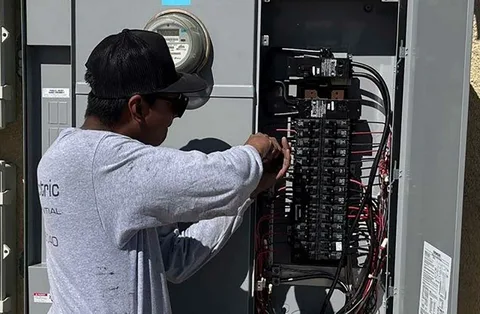
Your home’s electrical panel is the heart of its power system, quietly distributing electricity to every outlet, appliance, and light switch. But as homes age and power demands grow, that once-adequate panel can become a safety risk. Electrical panel upgrades are one of the most important — and most overlooked — investments a homeowner can make. Not only do they improve safety, they also ensure your home meets modern electrical code compliance and can handle the demands of today’s appliances, electronics, and EV chargers.
If you’ve noticed flickering lights, tripped breakers, or you’re planning a renovation, it might be time to call a panel upgrade electrician near me for a professional evaluation.
Signs You Need a Panel Upgrade
Many homeowners don’t realize their panel is outdated until something goes wrong. Here are common signs you need a panel upgrade:
- Breakers trip frequently, even under normal use
- You still have a fuse box instead of a modern breaker panel
- Lights flicker or dim when appliances turn on
- Your panel is more than 25–30 years old
- You smell burning or notice scorch marks near the panel
- You’re adding major appliances, a home addition, or an EV charger
These overloaded electrical panel symptoms aren’t just inconvenient — they can indicate a real fire hazard. If any of these sound familiar, scheduling a residential electrical panel service sooner rather than later is the safer choice.
Fuse Box to Breaker Panel Conversion
If your home still has a fuse box, you’re working with technology that’s decades behind current standards. A fuse box to breaker panel conversion replaces old fuses with modern circuit breakers, which are safer, easier to reset, and far more reliable at preventing overloads.
This conversion is often one of the most impactful upgrades a homeowner can make, both for safety and for resale value — many insurance companies and home buyers view an outdated fuse box as a red flag.
100 Amp vs 200 Amp Panel: Which Do You Need?
One of the most common questions during a consultation is 100 amp vs 200 amp panel — and the right answer depends on your home’s size and power needs.
- 100 amp panels may still be adequate for smaller homes with modest electrical demands, but they leave little room for growth.
- 200 amp panels have become the standard for most modern homes, offering enough capacity for central air, electric ranges, EV chargers, and future additions without maxing out the system.
If you’re unsure which fits your situation, a licensed electrician can evaluate your current and future power needs before recommending a circuit breaker panel upgrade.
What’s Involved in Panel Replacement
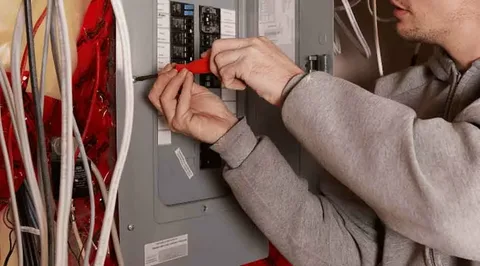
A full electrical panel replacement is a significant job that should always be handled by a licensed professional. Here’s a general overview of the process:
- Initial electrical panel safety inspection — The electrician assesses your current panel, wiring, and overall system to identify issues and confirm the right panel size for your needs.
- Permitting — Because this work affects your home’s core electrical system, electric panel permit requirements typically apply. A reputable electrician will handle this paperwork on your behalf.
- Power shutoff and removal — The old panel is safely disconnected and removed.
- New panel installation — The new panel is mounted, wired, and connected to your home’s main service line.
- Testing and inspection — Once installed, the system is tested thoroughly, and in most areas, a local inspector will review the work before it’s signed off.
Understanding the full electrical panel installation cost — including labor, permits, and materials — helps you budget accurately and avoid surprises partway through the project.
Beyond a Standard Upgrade: Additional Electrical Services
Panel upgrades often go hand-in-hand with other electrical improvements, especially in older homes.
Aluminum wiring replacement is a common companion project. Homes built between the 1960s and 1970s often used aluminum wiring, which is more prone to overheating at connections than modern copper wiring. Pairing this replacement with a panel upgrade addresses two safety concerns at once.
Sub panel installation is another frequent add-on, particularly for homeowners adding a garage, workshop, or finished basement. A sub panel distributes power to a specific area without overloading your main panel.
If you’re undertaking a larger renovation, a whole house electrical rewiring project may be recommended alongside your panel upgrade to bring the entire system up to current standards.
Panel Upgrades for Growing Power Needs
Modern homes draw more power than ever, and certain projects almost always require an upgraded panel:
- Panel upgrade for home addition — Extra square footage means extra circuits, and your existing panel may not have room to spare.
- Panel upgrade for EV charger — Level 2 EV chargers draw significant power, and many homes need a 200 amp panel (or a dedicated sub panel) to support one safely.
Planning ahead for these needs during your upgrade can save you from having to redo the work later.
Smart Electrical Panel Systems: The Future of Home Power
Technology has made its way into the electrical panel, too. Smart electrical panel systems allow homeowners to monitor energy usage circuit-by-circuit from a smartphone app, track which appliances draw the most power, and even receive alerts about potential issues before they become serious problems. For homeowners investing in solar, battery backup, or EV charging, a smart panel can also help manage power distribution more efficiently.
Finding the Right Electrician for the Job
Panel work isn’t a DIY project — it involves your home’s main power supply and carries real safety risks if done incorrectly. When searching for a panel upgrade electrician near me, look for:
- A valid electrical contractor license
- Experience specifically with panel replacements and code compliance
- Clear communication about permits and inspection timelines
- Transparent, written estimates
A qualified electrician will walk you through your options, help you choose the right panel size, and make sure every step of the process meets local code requirements.
Final Thoughts
Your electrical panel might not be the most exciting part of your home, but it’s one of the most important for safety and functionality. Whether you’re dealing with an aging fuse box, planning a major addition, or simply want peace of mind, professional electrical panel upgrades are a smart investment in your home’s safety and long-term value.
Noticing warning signs or planning a renovation? Reach out to a licensed local electrician for an inspection and personalized recommendation — your home’s electrical system will thank you.