
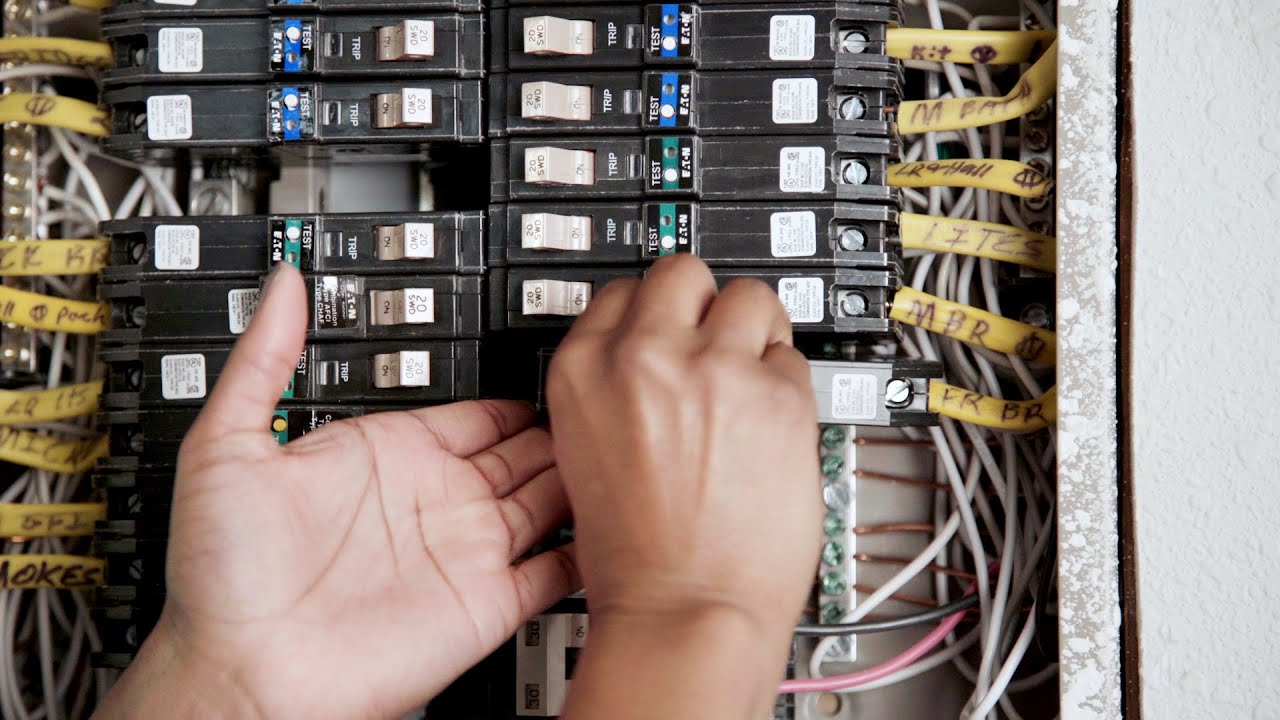
Circuit breakers work quietly in the background of your home, protecting your family and your property from electrical overloads, short circuits, and potential fires. But like any component, they don’t last forever — and a faulty breaker can put your entire home at risk. Whether you’re dealing with a breaker that won’t stop tripping or you’re adding a new circuit for a major appliance, professional circuit breaker installation ensures the job is done safely and up to code.
In this guide, we’ll cover everything from spotting a failing breaker to understanding what goes into a proper installation, so you know exactly what to expect when you call in a breaker installation electrician.
Signs of a Bad Circuit Breaker
Breakers are designed to fail safely — but that doesn’t mean you should ignore the warning signs. Common signs of a bad circuit breaker include:
- Frequent, unexplained tripping
- A breaker that won’t reset or stay on
- Visible scorch marks, discoloration, or a burning smell near the panel
- A breaker that feels hot to the touch
- Buzzing or crackling sounds coming from the panel
If you’re noticing any of these, it’s worth scheduling a circuit breaker repair near me search sooner rather than later. A breaker that’s failing to trip properly during an actual overload is far more dangerous than one that trips too often.
Tripped Circuit Breaker Troubleshooting
Before assuming a breaker needs full replacement, a little tripped circuit breaker troubleshooting can help identify the root cause:
- Check whether too many devices are running on the same circuit — this is the most common cause of tripping.
- Look for a specific appliance that trips the breaker every time it’s used, which could point to a faulty appliance rather than the breaker itself.
- Reset the breaker once. If it trips again immediately, that’s a sign of a short circuit or ground fault that needs professional attention.
- If tripping happens randomly with no clear pattern, the breaker itself may simply be wearing out.
Persistent, unexplained tripping is one of the clearest signals that it’s time for a faulty breaker replacement rather than repeated resets.
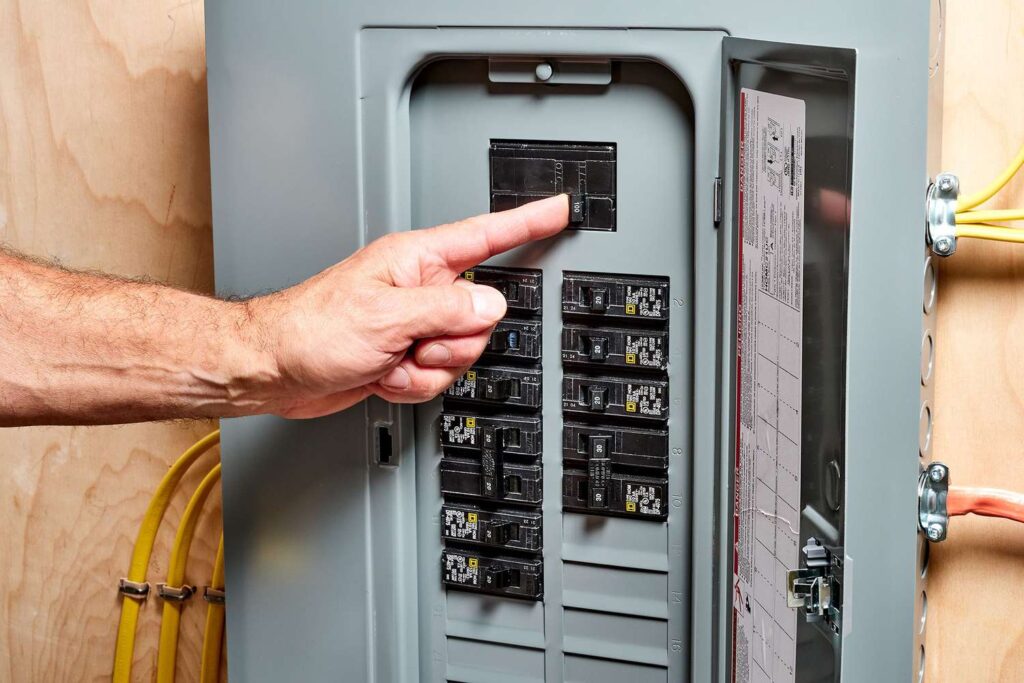
Circuit Breaker vs Fuse: Why Breakers Win
Homes with older electrical systems sometimes still rely on fuses. Comparing circuit breaker vs fuse technology makes it clear why breakers have become the standard:
- Breakers can be reset with a simple flip, while fuses must be replaced each time they blow
- Breakers offer more precise, reliable protection against overloads
- Modern breaker types (like AFCI and GFCI) provide protection fuses simply can’t match
If your home still uses fuses, pairing a breaker upgrade with your next electrical project is one of the most effective safety improvements you can make.
Understanding Different Breaker Types
Not all breakers are the same, and choosing the right type matters for both safety and function.
Single pole vs double pole breaker is one of the most basic distinctions. Single pole breakers handle standard 120-volt circuits (typical outlets and lighting), while double pole breakers handle 240-volt circuits used for larger appliances like dryers, ranges, and air conditioners.
Arc fault circuit breaker (AFCI) protection detects dangerous arcing conditions in wiring that could otherwise start a fire — these are now required in many living areas under current code.
Ground fault circuit breaker (GFCI) protection shuts off power instantly when it detects current leaking to ground, which is critical in areas exposed to moisture like kitchens, bathrooms, and outdoor circuits.
A knowledgeable electrician will recommend the right combination based on your home’s layout and your local circuit breaker safety code requirements.
Sizing and Compatibility Matter
Installing the wrong breaker size is a serious safety hazard — too large a breaker won’t trip in time to prevent overheating in the wires it protects. That’s why professionals rely on a circuit breaker sizing chart matched to your specific wiring gauge and the circuit’s intended load.
Breaker panel compatibility is equally important. Breakers aren’t universal — they need to match your panel’s brand and specifications. Installing an incompatible breaker can prevent proper contact and create a serious fire risk, which is why this step should always be handled by a licensed professional rather than attempted as a DIY fix.
When You Need a New or Dedicated Circuit
Beyond replacing a faulty breaker, many homeowners need entirely new circuit installation for specific needs:
- Dedicated circuit installation is often required for major appliances like refrigerators, microwaves, washers, and dryers, which draw enough power to warrant their own circuit rather than sharing one with other outlets.
- Home additions, workshops, and finished basements frequently need new circuits added to support the expanded electrical load.
- EV chargers and hot tubs almost always require a dedicated circuit sized specifically for that equipment.
Your electrician can help map out exactly what your home needs through home electrical circuit mapping, which identifies what’s currently running on each circuit and where additional capacity might be needed.
What Affects Breaker Installation Cost
Breaker installation cost varies depending on a few key factors:
- Whether it’s a simple breaker swap or a new circuit requiring additional wiring
- The type of breaker needed (standard, AFCI, or GFCI, which tend to cost more)
- Panel compatibility and accessibility
- Whether permits are required for the specific work being done
A trustworthy electrician will provide a clear, itemized quote before starting any work, so you know exactly what you’re paying for.
Electrical Overload Protection Starts With the Right Breakers
At the end of the day, the purpose of your circuit breakers is electrical overload protection — keeping your wiring from overheating and preventing electrical fires. Outdated, mismatched, or failing breakers compromise that protection, even if everything seems to be working fine on the surface.
Regular inspections, especially in homes over 20 years old, help catch potential issues before they become emergencies.
Choosing the Right Electrician
When you need residential circuit breaker services, not every electrician has the same level of experience with panel and breaker work specifically. Look for:
- A licensed, insured electrical contractor
- Experience with your specific panel brand and breaker type
- Willingness to explain the issue and the recommended fix in plain language
- Proper permitting for larger jobs, where required
A qualified breaker installation electrician won’t just fix the immediate problem — they’ll check for underlying issues that could affect your system’s safety down the line.
Final Thoughts
Circuit breakers may be small, but they play an outsized role in keeping your home safe. Whether you’re troubleshooting a breaker that won’t stop tripping, adding a dedicated circuit for a new appliance, or simply want peace of mind after noticing a warning sign, professional circuit breaker installation and replacement is worth the investment.
Dealing with a tripping breaker or planning a new circuit? Reach out to a licensed local electrician for an inspection and a clear, upfront quote.