
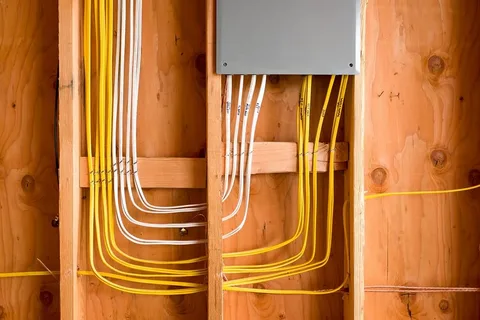
Modernizing your electrical system in the home can make it safer and provide electricity for the modern devices that are in use. An old and broken-down wiring system is incapable of supporting high-tech equipment or a smart home.
Installing contemporary electrical choices reduces the chance of fires and shocks. Colorado Electrical & Smart Integrations has listed the newest house wiring options for your home.
Exploring the Newest House Wiring Standards
If you’re thinking of renovating your home or are building a new house, your first logical step is to learn about the newest house wiring systems.
The demand for electricity has increased a lot in today’s time. Modern buildings call for the latest cables to carry a large load of power with ease.
Why is Old Wiring a Hazard?
- Fire hazards:
Lines that are old or made of cloth will break down and produce sparks.
- Power dropouts:
Old systems will not provide enough power for several power-hungry electronic devices operating simultaneously.
- No smart compatibility:
Today’s smart switches need a certain wiring pattern to function safely.
Understanding Modern Types of Electrical Wiring
Knowing the various types of electrical wiring lets you find the most secure one.
Your Options for Modern Builds
- Non-Metallic Sheathed Cable:
The preferred cable for interiors in today’s modern home. It includes a flexible, fire-resistant plastic cover that is wrapped around copper piping.
- THHN Wire:
Strands of copper are secured in nylon sleeves for metal conduit.
- Structured Media Wiring:
Bundles of next-generation heavy electrical lines and fiber-optic, data, and coaxial cables.
- Smart Arc Fault (AFCI) Circuits:
A special wiring system connected to a special type of breaker that will turn off the electricity as soon as it senses a spark.
| Cable Category | Material | Best Use | Safety |
| NMC (Romex) | Premium solid copper | Lighting or general wiring in the home | Heat-resistant plastic outer shell |
| THHN Wire | Stranded or solid copper | Basements, garages, and outdoor conduits | Premium moisture and gas defenses |
| Structured Data | Copper fiber combination | Smart home hubs, home theaters | No interference with data |
Installing Modern House Wiring Safely
A full, modern house wiring system ensures long-lasting protection of property for decades. Combining raw materials with professional installation guarantees a safe power supply.
- Verify Grounding Paths:
Make sure all single lines are connected to a separate grounding wire.
- Plan Dedicated Circuits:
Separate, high-amp circuits for heavy units such as an EV charger and heat pump.
- Smart Panel Integration:
Connect your new wires to a smart panel and monitor energy use on the go.
Executing Your Construction
- Obtain a municipal building permit before breaking any drywall.
- Do not place heavy wires too close to each other.
- Draw a diagram of your home to determine the total kilowatt requirements.
- Avoid buying thin, low-gauge wires.
Why You Need Professional Help for the Newest House Wiring
Professionals follow the national electrical code standards as part of the electrical safety guidelines. They safely handle high-voltage residential systems.
- Only work with licensed and insured state electrical contractors.
- Make sure that all cables installed are UL-marked.
- Do not allow an uncertified handyman to change your main house service line panels.
Conclusion
The latest residential wiring standards emphasize the best plastic insulation, correct grounding, and smart data integration.
It improves your home’s electrical foundation, which helps your family stay safe from fire hazards while reducing your energy bill.
Work with a certified electrician to create a safe and efficient home power system.
Frequently Asked Questions
- Which type of electrical wiring is the most popular in new homes?
Residential wire is most typically non-metallic sheathed cable, also known as Romex or NM-B cable. Consisting of insulated copper wires with a very tough and flexible plastic coating.
- Can aluminum wire still be used in a modern home?
Aluminum wire is not used for standard low-voltage indoor branch circuits because of the fire hazard.
- What is a neutral wire, and why does it need to be used today?
A neutral wire completes the path of the electrical circuit. It is required for modern building codes in every switch box to safely power smart home automation devices.
- How long does a copper wiring system last in a modern home?
Modern high-quality plastic-sheathed copper wiring can easily last for 50 to 70+ years. The wires are rarely damaged unless exposed to overloading or physical damage.
- Can I work on the newest house wiring systems myself?
Installation is extremely hazardous and prohibited in most cities. Working inside a live main breaker panel can give deadly shocks. Always hire a licensed electrician.